Electric golf carts have changed dramatically over the last decade.Touchscreen displays, lithium batteries, regenerative braking, advanced motor controllers, and higher-performance electric drivetrains are becoming increasingly common.One of the biggest changes is something many owners never actually see:The electric motor.For decades, DC motors were the standard in electric golf carts.Today, many modern golf carts use AC motor systems.Why?Part of the answer can be traced to the rapid advancement of electric vehicle technology.
The Electric Car Industry Changed Electric Motors
As electric vehicles became more advanced, manufacturers invested heavily in electric traction motors, motor controllers, inverters, battery management, and regenerative braking.Modern EV drivetrains use sophisticated power electronics to precisely control how electrical energy reaches the motor. Federal electric-vehicle resources describe traction motors, inverters, and regenerative braking as core parts of modern electrified drivetrains. (The Department of Energy’s Energy.gov)That technology didn’t stay limited to passenger cars.Over time, many of the same engineering principles began appearing in smaller electric vehicles—including golf carts.The result is a new generation of golf carts that feel noticeably different from the carts many of us grew up driving.
How a Traditional DC Golf Cart Motor Works
Older electric golf carts commonly use brushed DC motors.These systems are relatively simple and have powered millions of golf carts reliably for decades.But brushed motors use internal brushes that physically contact components inside the motor.Over time, those components can wear.Traditional DC systems can also be less efficient at managing power across a wide range of speeds and driving conditions compared with modern AC drive systems.That doesn’t mean DC motors are bad.There are countless older Club Car, E-Z-GO, and Yamaha carts still operating every day with DC motors.Technology has simply advanced.
Why AC Motors Are Becoming the Standard
Modern AC golf cart motors are typically brushless.Without traditional motor brushes, there are fewer internal wear components associated with transferring electrical current to the rotating motor assembly.AC systems also work with sophisticated electronic motor controllers.The controller and inverter can precisely manage motor speed and torque.The result can include:
- Smoother acceleration
- Better efficiency
- Stronger performance under load
- Improved hill-climbing capability
- More consistent power delivery
- Regenerative braking capability
- Reduced motor maintenance
Brushless AC architecture and electronic control are major reasons AC systems are increasingly favored for performance and efficiency, while regenerative braking uses the motor as a generator to recover some energy during deceleration. (Caddie Wheel)
What Is Regenerative Braking?
Regenerative braking is one of the clearest examples of electric-car technology influencing smaller electric vehicles.In a traditional braking system, the vehicle’s kinetic energy is primarily converted into heat through the brakes.With regenerative braking, the electric motor can operate as a generator during deceleration.Some of that energy can then be sent back toward the battery.The U.S. Department of Energy describes regenerative braking as using the electric motor in reverse to create braking force while recapturing kinetic energy for battery charging. (The Department of Energy’s Energy.gov)On a golf cart, regenerative braking can also create a more controlled driving experience, particularly when slowing down or traveling downhill.
AC Motors and Lithium Batteries Work Extremely Well Together
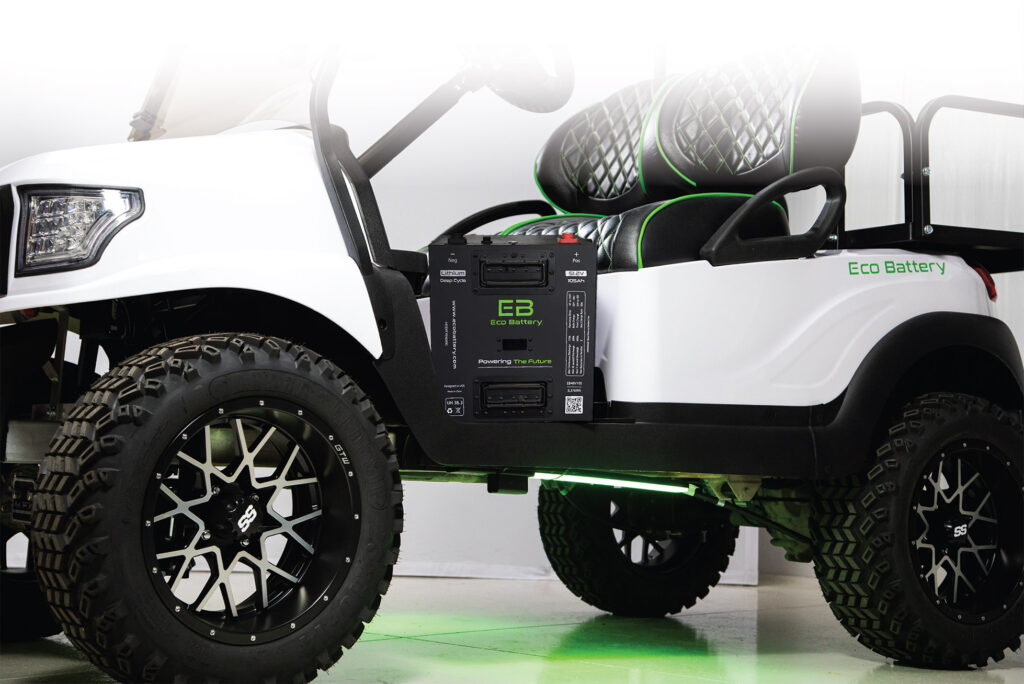
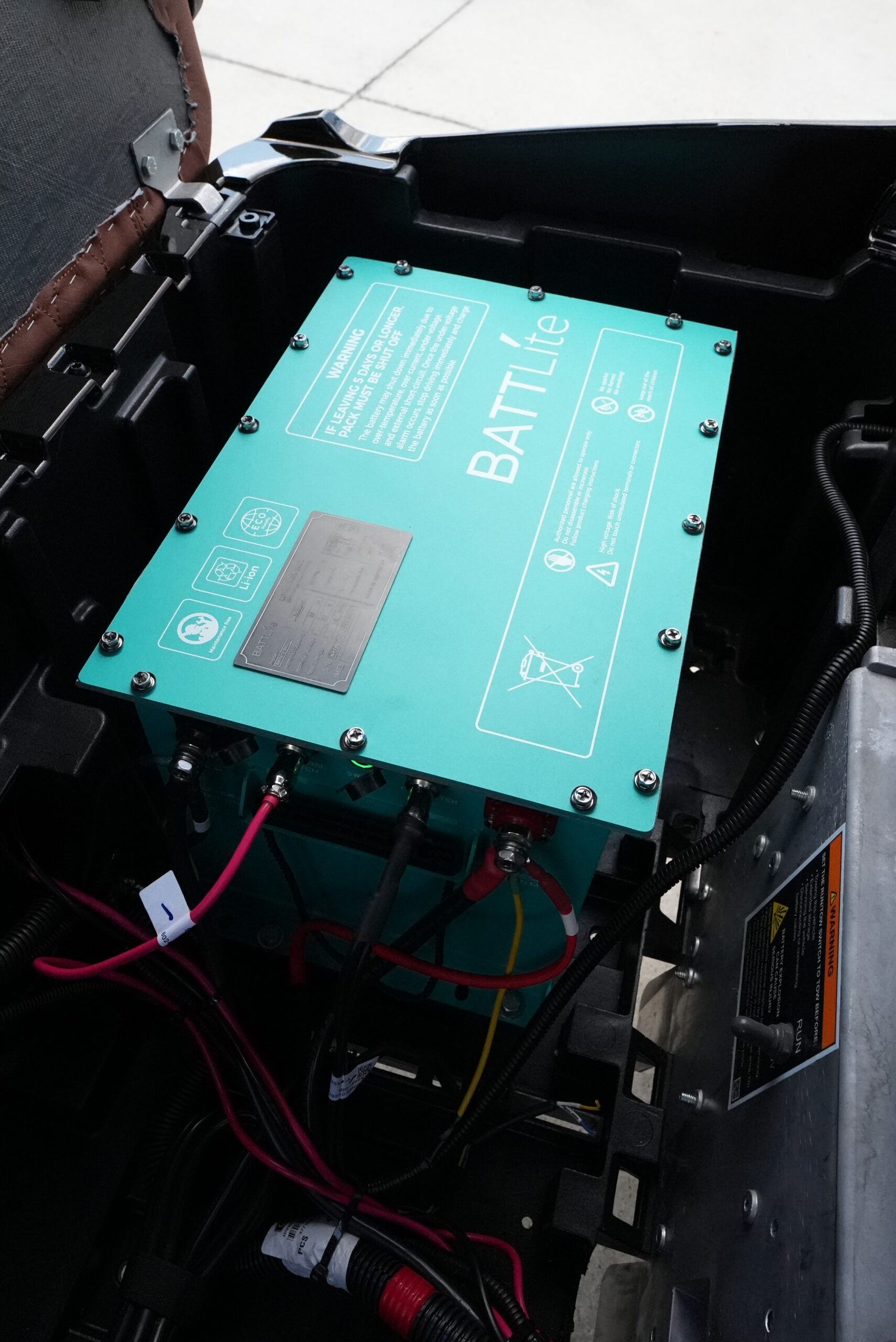
Another major change in the golf cart industry is the adoption of lithium batteries.Modern lithium batteries can deliver strong, consistent electrical power.Combine that with an AC motor and an advanced motor controller, and the entire drivetrain can be managed much more precisely.This is one reason newer electric golf carts often feel more like small electric vehicles than traditional golf carts.Acceleration is smoother.Power delivery is more consistent.The cart can feel more responsive.The drivetrain is simply more sophisticated.
Is an AC Golf Cart Better Than a DC Golf Cart?
For most modern applications, we prefer AC systems.However, the answer depends on the cart and how it will be used.A properly maintained DC cart can still be extremely reliable and may be perfectly adequate for traditional neighborhood or golf course use.But for customers looking for increased performance, lithium power, larger tires, additional passenger capacity, or a more modern driving experience, an AC drivetrain can offer significant advantages.
Golf Carts Are Becoming Small Electric Vehicles
The golf cart industry is changing quickly.Lithium batteries, AC motors, regenerative braking, advanced controllers, touchscreen displays, and sophisticated electrical systems are becoming increasingly common.Much of this evolution follows the same broader electrification trends that transformed the automotive industry.At American Pride Golf Carts, we don’t just replace parts.We believe in understanding how the complete vehicle works as a system—from the battery and motor controller to the drivetrain and 12-volt accessories.Whether you’re repairing an older DC cart or considering a modern AC and lithium-powered platform, our Master Cart Builders can help you determine the right setup for how you actually use your golf cart.